
Weather
A dry year ahead: what El Niño means for buying and selling on the farm
Forecasters expect a hotter, drier 2026/27 season and the government expects grain output to fall to about 1.6 million tonnes. Here is what that means for livestock, grain and land deals over the next six months.
- Maize, 2026
- 2.68 Mt
- Grain expected, 2026/27
- ~1.6 Mt−40%
- Rain, Oct–Dec
- Below normal
- Reserve target
- 600,000 t
The regional climate outlook points to a strong El Niño. Private grain imports were allowed again from 16 September 2026.
Zimbabwe is coming off its best maize harvest in years — 2.68 million tonnes from 1.96 million hectares.1 The season now starting looks very different. The regional climate outlook forum, meeting in Namibia in late August, forecast a strong El Niño, with below-normal rain from October to December across most of the country and frequent dry spells through to March 2027.2
The government expects grain output to fall to about 1.6 million tonnes in 2026/27 and has approved a six-pillar drought plan, including a 600,000-tonne strategic grain reserve and a livestock pillar.3,4
Source: Xinhua, Cabinet briefing, NewZimbabwe
Show the numbers
| Season | Million tonnes |
|---|---|
| Maize, 2025 harvest | 2.2 |
| Maize, 2026 harvest | 2.68 |
| National grain requirement, a year | about 2.2 |
| Grain output expected, 2026/27 | about 1.6 |
The 2026/27 figure is a government expectation for all grain, made in September 2026 ahead of an El Niño season.
Grain: prices likely to rise through the season
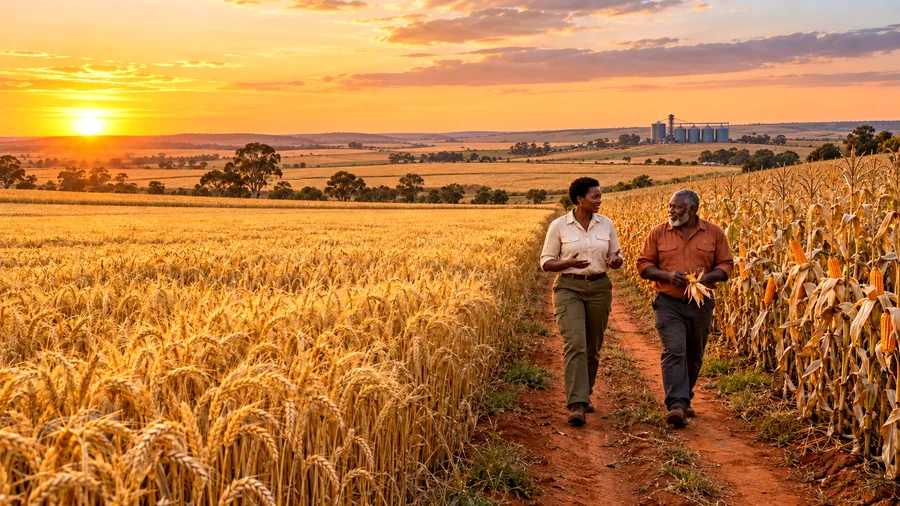
Maize imports had fallen to US$183.6 million in January–July 2026, from US$277.5 million a year earlier. The USDA now expects Zimbabwe to need about 600,000 tonnes of maize imports in the 2026/27 marketing year, and the government has let private companies import grain again.5,3
For sellers: grain held in good condition — dry, clean, protected from weevils — is likely to be worth more later in the season than at harvest. For buyers: millers, stockfeed makers and poultry farmers should think about securing supply early.
Livestock: sell early, in condition
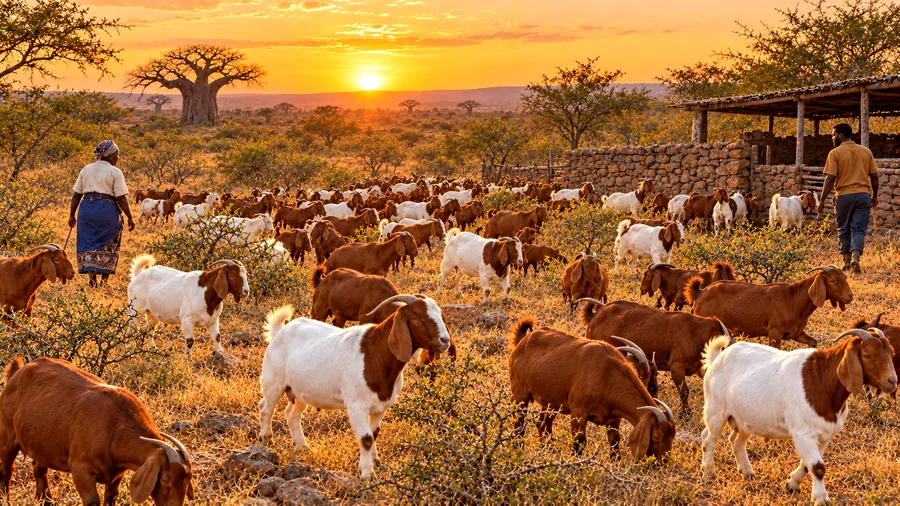
In a dry year, grazing and water run short from about October until the rains arrive. Animals lose condition and farmers who wait sell thin cattle into a crowded market. Feed follows the maize price upwards.
- Sellers with more animals than their grazing and water can carry usually do better selling early, while animals are in good condition.
- Buyers with grazing, water or feed can find breeding stock — but check movement permits carefully, as foot-and-mouth restrictions remain in parts of the south.6
- Goats browse where cattle cannot and tend to hold up better in drought.
Land and equipment: water is the premium
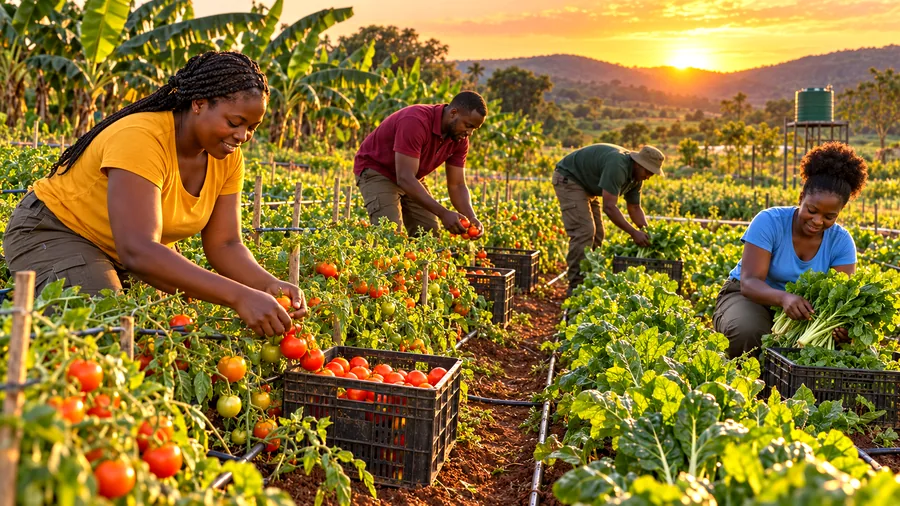
Farms with reliable water — boreholes, dams, river frontage, working irrigation — are worth more in a dry year, and pumps, drip kits and pipes will be in demand. Winter wheat under irrigation reached a record 126,394 hectares in 2026, which shows what irrigated land can do.7
Whatever you are buying, the same rule applies: see it yourself and check the papers before money moves. Our cattle and farmland guides set out the checks.
Sources
- Xinhua — Zimbabwe's maize output reaches 2.68 mln tonnes in 2026
- CITE — Zimbabwe warned of dry, erratic 2026/27 rainfall season
- NewZimbabwe — Zimbabwe relaxes grain import regulations amid drought fears
- Zimbabwe Situation — Cabinet okays 6-pillar drought mitigation plan
- Ecofin Agency — Zimbabwe's $93.9 million maize-import saving is already at risk from El Niño
- allAfrica — Foot and mouth outbreak hits Matabeleland South
- Zimbabwe Situation — Farmers plant highest-ever wheat hectarage